.png)
Novel Strategy Could Make Stem Cell Transplants Safer
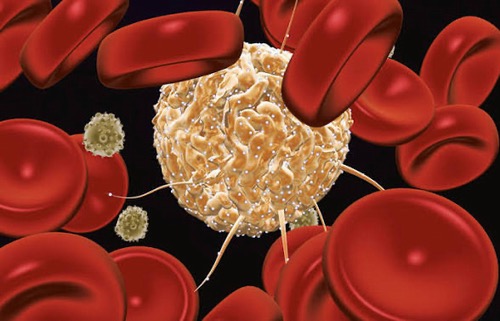
Researchers have developed a new approach that could improve the safety of stem cell transplantation while reducing the need for intensive chemotherapy, according to a study published in Nature. Instead of using toxic drugs to clear space in the bone marrow, the new strategy employs targeted antibodies to selectively eliminate the patient’s own blood-forming stem cells.
The researchers also used genome-editing technology to introduce a tiny modification to the surface of therapeutic stem cells. This molecular change allows the transplanted cells to evade antibody attack, enabling them to successfully engraft in the bone marrow.
The approach could pave the way for safer stem cell transplantation in patients with conditions such as sickle cell disease, beta-thalassemia, immune deficiencies, and certain blood cancers. The researchers believe the strategy could not only improve the safety of gene therapy but also have broader applications in the treatment of cancer and other blood disorders.
Although the research is still at the preclinical stage, the findings offer promising prospects for the development of more precise, safer, and less toxic stem cell–based therapies.

_1.png)

comment